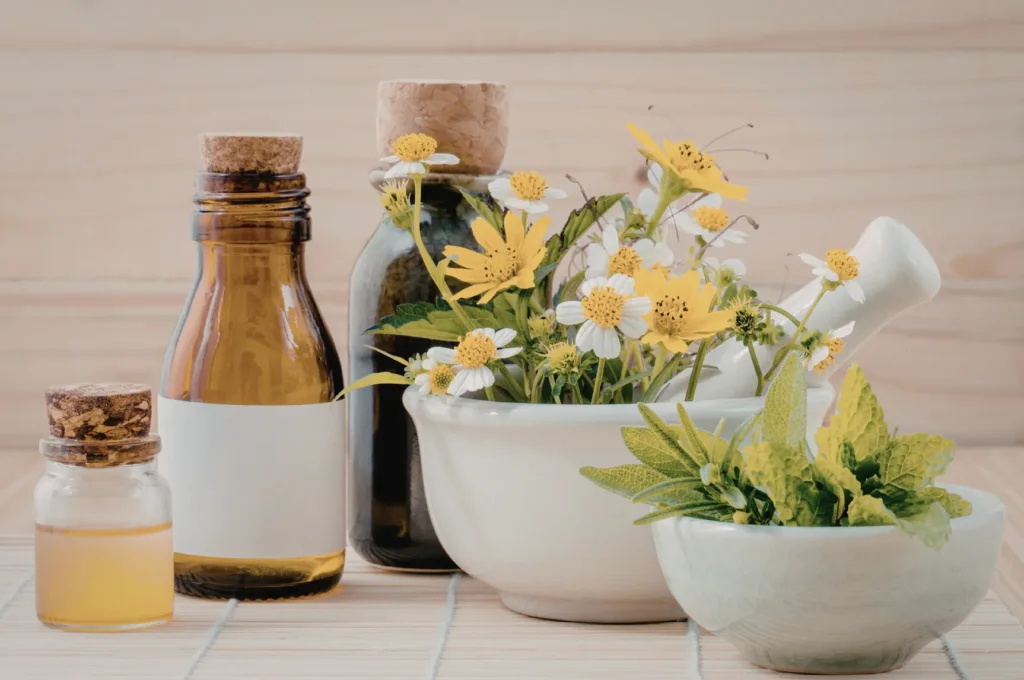
Natural antibiotics have been used by cultures all over the world for ages to support healing and promote health. Many people are turning to nature for solutions as worries about antibiotic resistance continue to rise. Could the secret to effectively and safely combating illnesses lie in plants, herbs, and other natural remedies?
These treatments are becoming more popular these days as people look into different ways to treat bacterial illnesses. Natural antibiotics are thought to have antibacterial qualities that can help the body fend off dangerous microorganisms. They can be found in some plants, essential oils, and even meals. These therapies may help treat mild illnesses, increase immunity, and promote healing by utilizing the body’s natural defenses.
By using these natural antibiotics and holistic approaches, we are taking a step in the right direction for better health. These treatments often provide a gentle, more long-lasting method of treating infections. By using the power of nature, we may create a closer relationship with nature and take proactive measures to improve our health.
What are Natural Antibiotics?
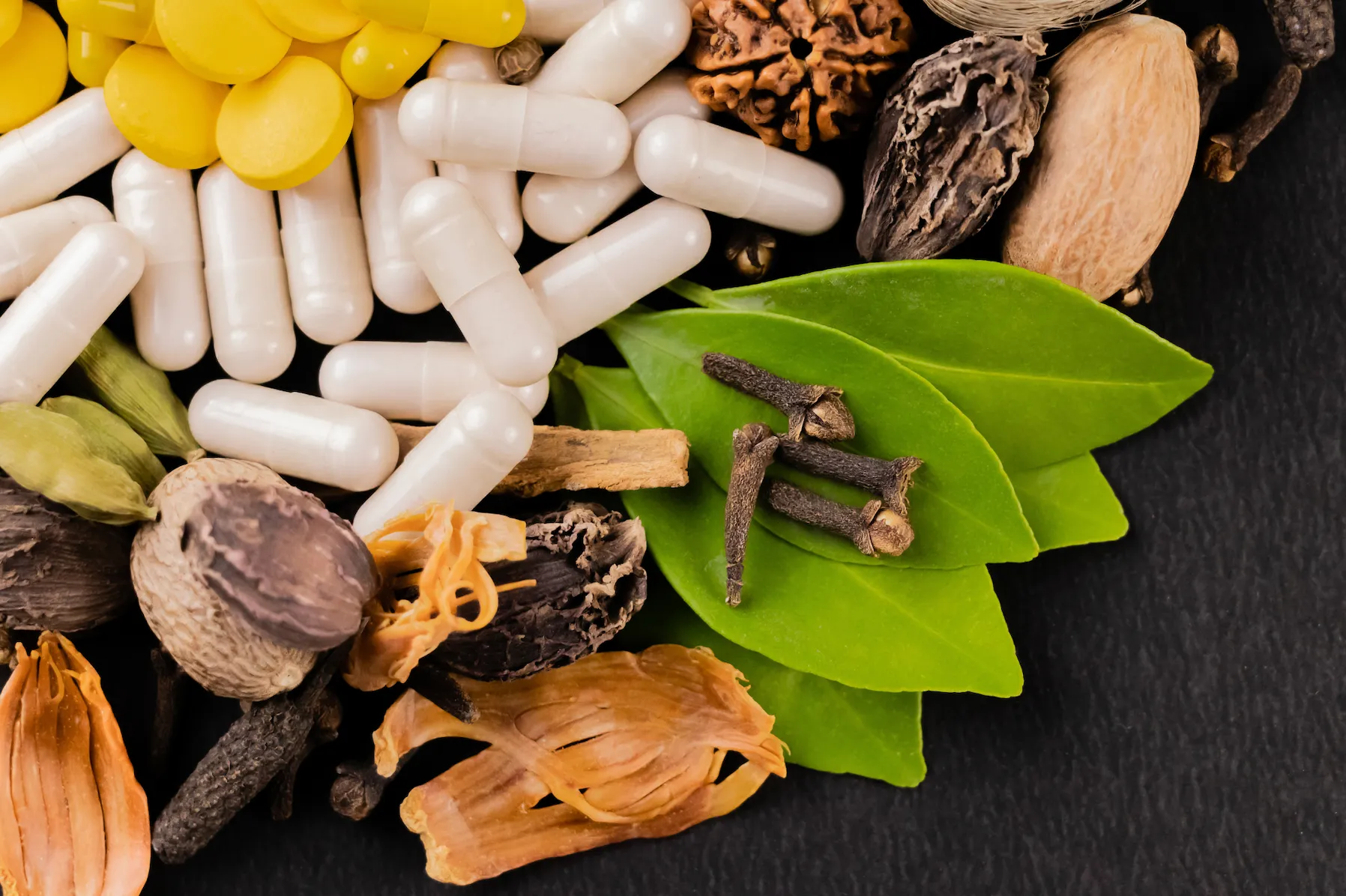
Natural antibiotics are compounds that occur naturally and have antibacterial qualities, which makes them useful when trying to fight against some bacterial infections.
For ages, traditional medicine has used remedies derived from a wide range of sources, including plants, herbs, and essential oils. A holistic health plan that includes these natural solutions may help people manage small illnesses and improve their general wellness in a gentle yet efficient manner.
Top Natural Remedies with Antibacterial Properties
Oregano Oil
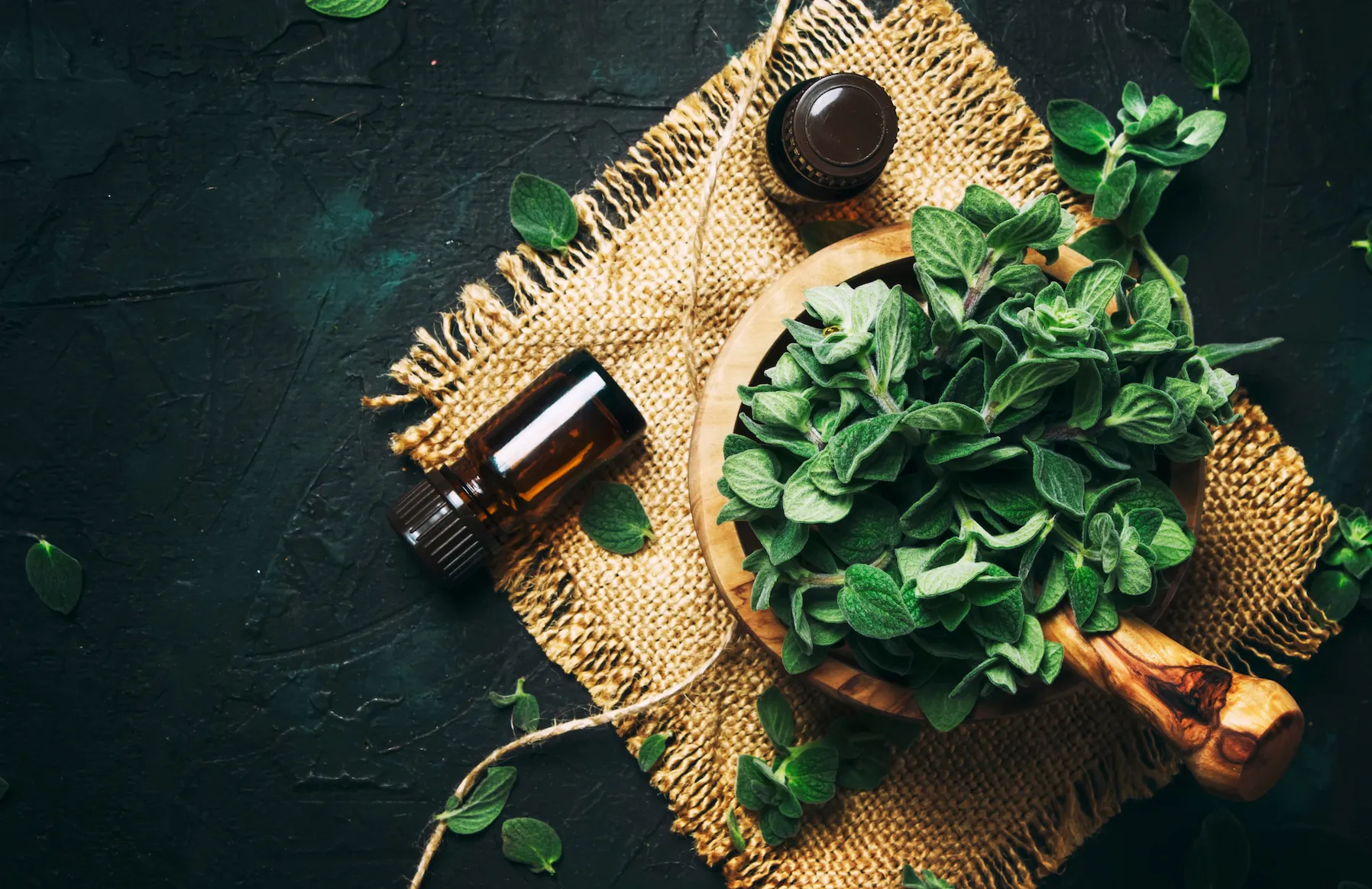
A strong natural medicine, known for its strong antibacterial qualities, is oregano oil. Its active ingredients, thymol and carvacrol, give it a strong defense against fungi, bacteria, and even some kinds of bacteria that are resistant to antibiotics. People often use diluted oregano oil to treat mild infections, support lung health, and maintain a balanced gut microbiota.
Garlic
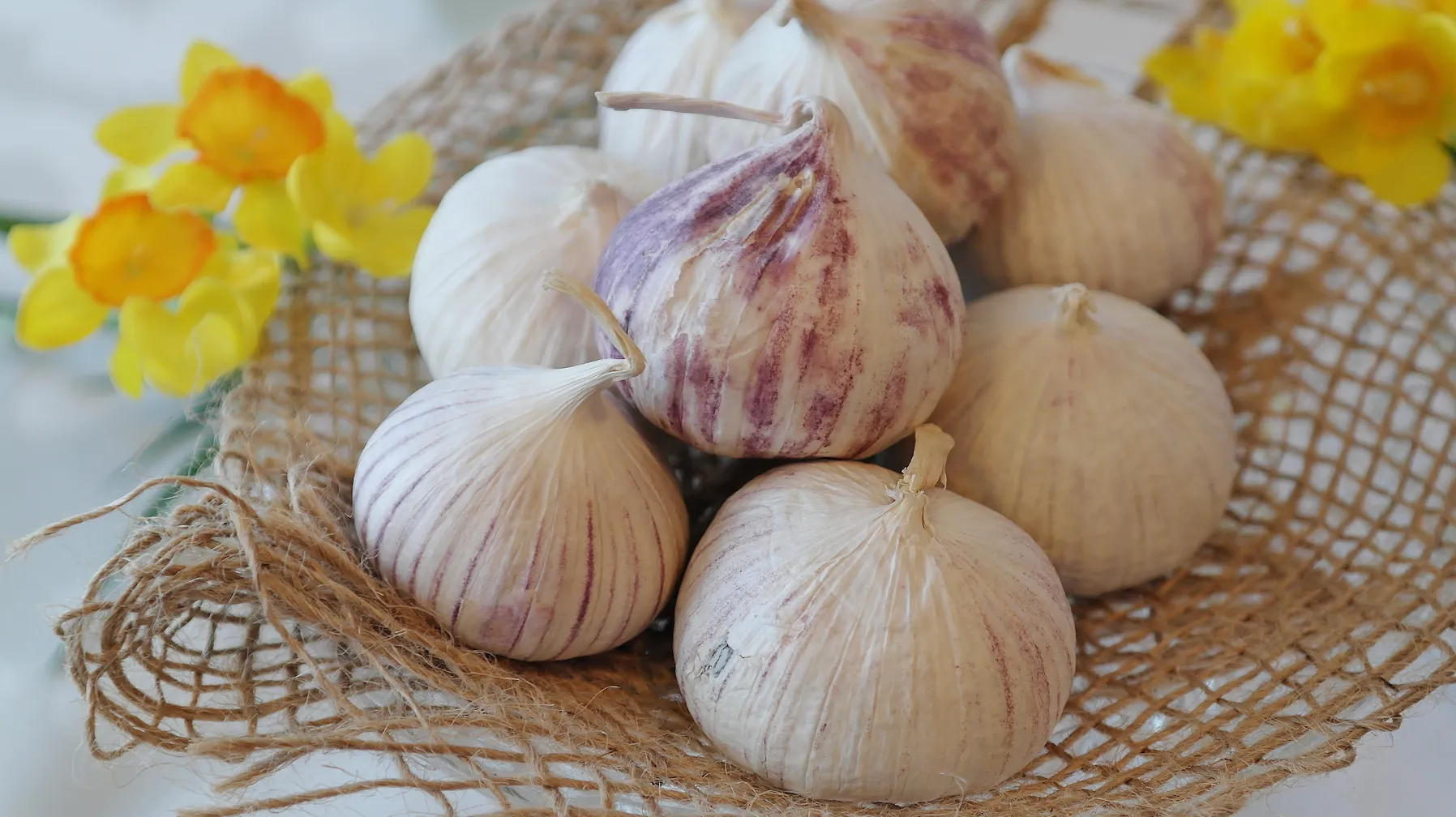
Surprisingly, one of the most common household ingredients is actually one of the best for your health. Garlic has long served as a natural antibiotic because it contains high concentrations of allicin, a compound with potent antibacterial and antiviral properties.
It can strengthen immunity, prevent mild bacterial infections, and advance general health. Garlic can be easily used for prevention and therapy by eating it raw or as a supplement.
Dosage:
You can take a clove 3 times daily (not the giant garlic but the normal one)
Ginger
Ginger is a multipurpose herb that has strong anti-inflammatory and antibacterial qualities. Its bioactive ingredient, gingerol, reduces inflammation in the body and prevents harmful germs from growing.
Ginger can be added to teas, juices, or supplements to promote wellness, and it is especially beneficial for digestive health.
Dosage:
Take a few slices of fresh root in tea 3 times a day or in food.
Thyme
Thymol, the herb’s main ingredient, gives thyme its strong antibacterial and antifungal qualities. It is often used to prevent bacterial infections and promote respiratory health. To take advantage of its powerful therapeutic effects, thyme can be utilized as an essential oil or as a tea.
Dosage:
Thyme can be added to food—1/2 tsp twice a day.
Cloves
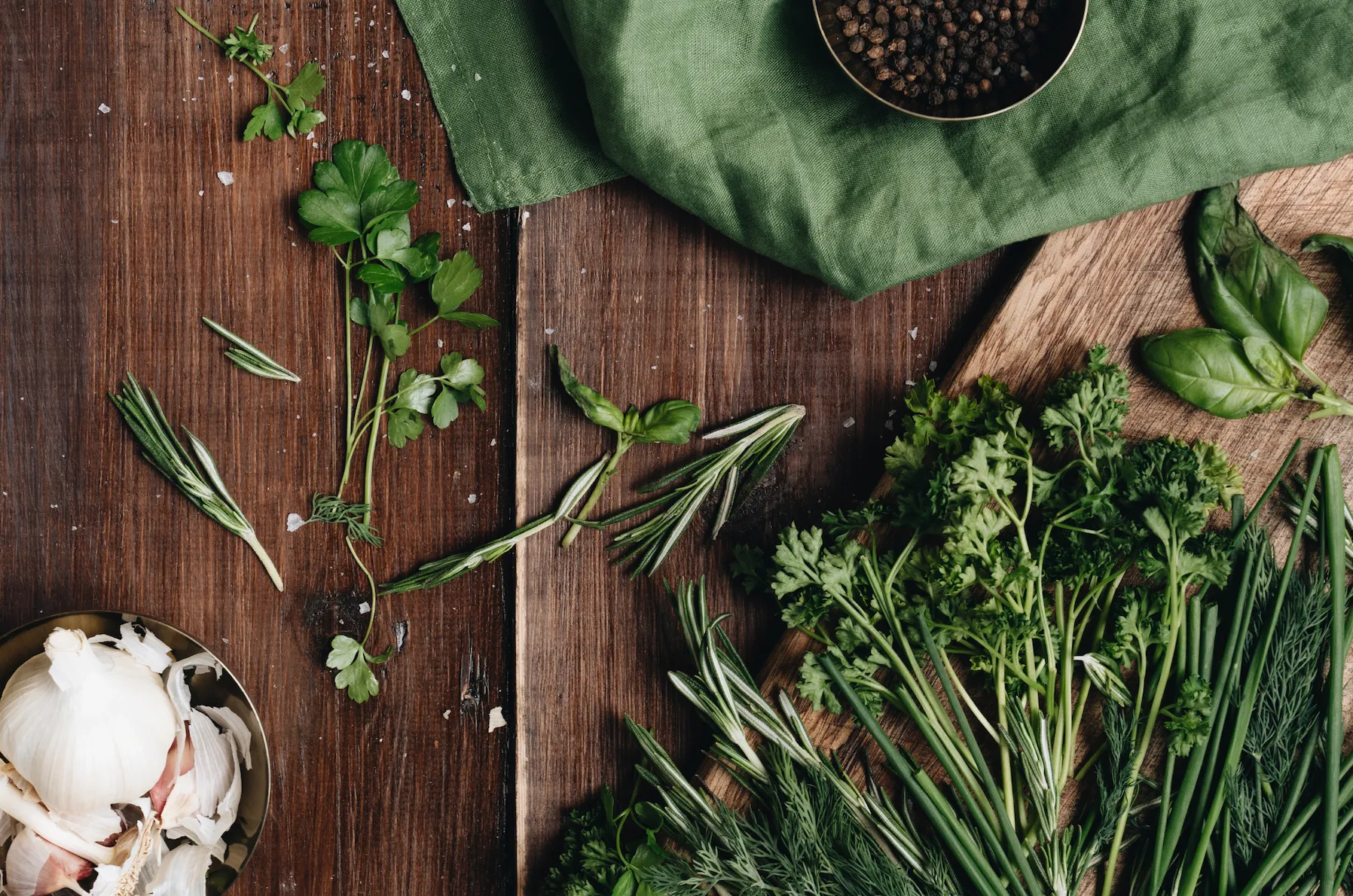
Because cloves contain a lot of eugenol, they are spices with strong antibacterial and antimicrobial properties. They work especially well for dental health, lowering oral bacteria and potentially easing toothaches. Cloves can help promote general health by being added to drinks, used as a spice, or made into oil. The effectiveness of cloves in promoting dental health is maximized when used alongside proper dental hygiene practices.
Honey
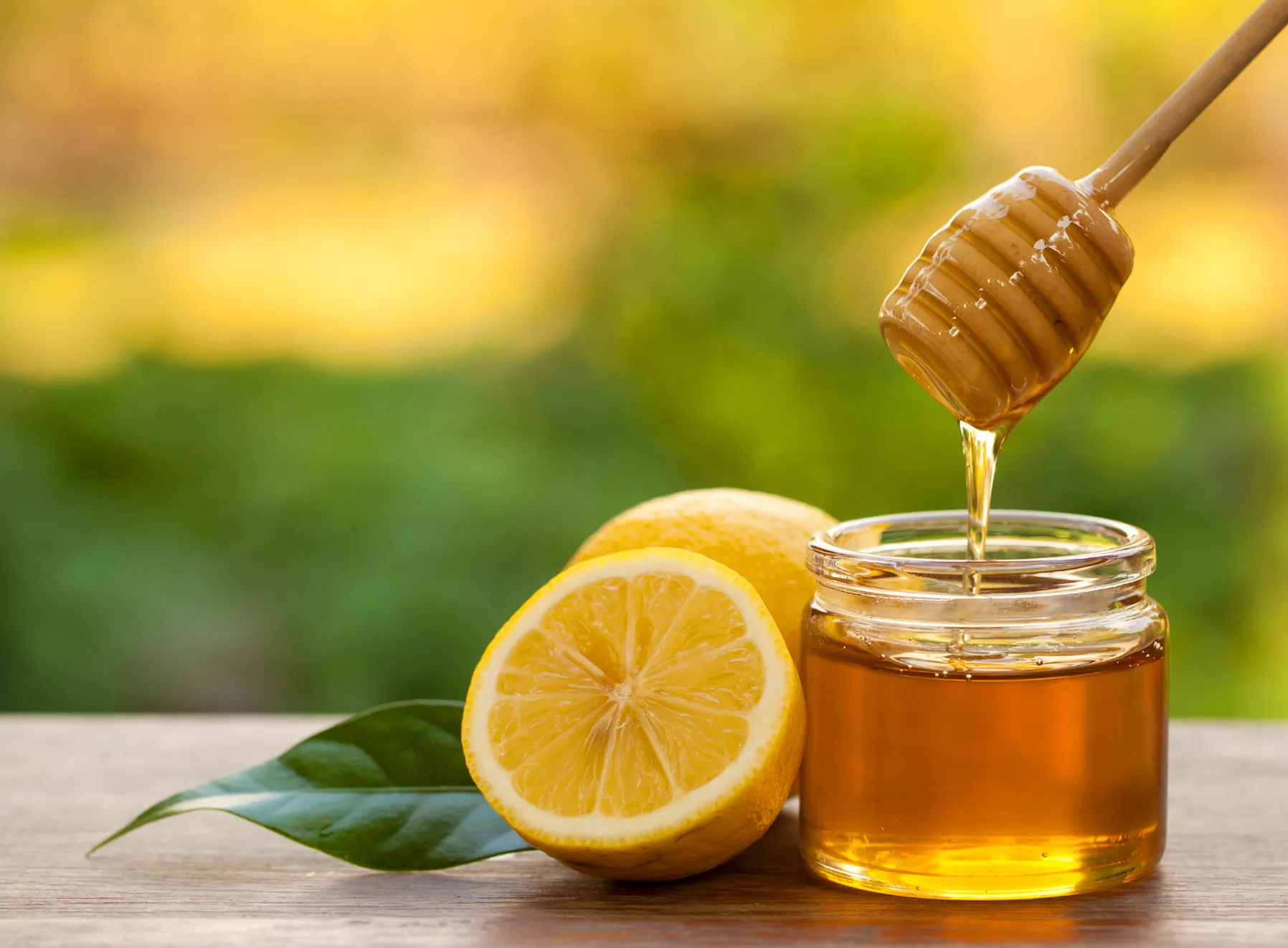
Honey, particularly raw or Manuka honey, has amazing antibacterial and restorative qualities and is a natural cure. It promotes tissue regeneration, reduces inflammation, and soothes wounds. Honey can be applied topically or taken internally, and it is a mild yet effective technique to help the body fight against illnesses. Studies state that honey not only has antibacterial properties but is also effective against infection strains and stubborn bacterial infections.
Dosage:
1/2 tsp 3 times a day.
Echinacea
Echinacea is the most well-known natural antibiotic out there. This immune-boosting plant contains antiviral and antibacterial qualities. Boosting the immune system, it makes the body more capable of fending off illnesses. Echinacea is often used as a tea or supplement to help prevent disease, especially during the cold and flu season.
Studies have been conducted on the effects of echinacea as an antibiotic, and promising results were found with it reducing recurrent infection levels.
Goldenseal
Goldenseal has been used for many years in traditional medicine as a powerful natural antibiotic. Berberine, its active component, is excellent at preventing bacterial infections and promoting intestinal health. Goldenseal is frequently taken as a tea or supplement and is an effective ally in preserving a strong immune system.
Benefits of Natural Antibiotics
As previously said, natural antibiotics provide a gentler, holistic approach to treating mild bacterial infections, including the flu and other problems. They can also be effective against minor bacterial infections, such as tooth infections and urinary tract infections.
Natural medicines like oregano oil can help recovery by balancing the body’s natural balance and promoting healing, whereas conventional antibiotics may cause unpleasant side effects. Apart from fighting germs, many natural antibiotics offer additional health advantages like enhancing immunity and promoting general health.
When appropriate, people can choose natural alternatives to conventional antibiotics, which can help reduce the rising problem of antibiotic resistance and provide a more sustainable, healthier approach to infection control.
Choosing the Right Natural Antibiotic
Selecting the right natural antibiotic involves careful consideration of several factors. First, identify the type of bacterial infection you are dealing with and the severity of your symptoms. Different natural antibiotics are effective against different types of bacteria, so it’s crucial to choose one that targets your specific infection.
Second, assess your overall health and any underlying medical conditions. Some natural antibiotics may interact with conventional medications or exacerbate existing health issues. Third, prioritize the quality and safety of the natural antibiotic. Opt for high-quality products from reputable manufacturers and adhere to the recommended dosage and preparation instructions. Lastly, always consult with a healthcare professional before using any natural antibiotic, particularly if you have a compromised immune system or are on medication.
Risks and Considerations
Despite the many advantages of natural antibiotics, it’s important to use them carefully. Some natural medicines, such as oregano oil or garlic, might have negative effects or interfere with prescriptions if taken in excessive amounts.
For instance, taking too much garlic might be harmful or interfere with blood thinners. Furthermore, natural antibiotics might not work well for serious or chronic bacterial infections and are typically best suited for moderate ones. It is nevertheless essential to seek medical help as soon as possible for severe infections in order to prevent consequences and guarantee appropriate care.

Using Natural Antibiotics Effectively
To ensure that natural antibiotics are suitable for your particular needs and condition, it is important to speak with a healthcare provider before using them. Use these natural medicines sparingly and always stick to the specified dosage to prevent any negative effects.
For best effects, take natural antibiotics in conjunction with healthy lifestyle habits like eating a balanced diet to boost your immune system and keep good dental hygiene. Keeping a close eye on your symptoms is also crucial; if they worsen or continue, don’t be afraid to get help. You can improve your health and general well-being by utilizing natural antibiotics sensibly and carefully.
Addressing Antibiotic Resistance
A growing worldwide health concern, antibiotic resistance, is caused by the overuse and abuse of conventional antibiotics. Natural antibiotics are a possible substitute since they have antibacterial qualities without making a major contribution to resistance. People can promote their health and aid in the fight against this issue by using natural remedies sensibly and sparingly.
In certain situations, using natural antibiotics alongside traditional therapies under a doctor’s supervision can increase their efficacy and produce a more successful strategy for treating infections. In order to maintain the effectiveness of antibiotics for future generations, it is essential to carefully consider these alternatives.

Precautions and Contraindications
Although natural antibiotics have many advantages, not everyone can benefit from them. These treatments might not be strong enough to fight against dangerous infections, so people with weakened immune systems should use them cautiously. Furthermore, some natural alternatives, like garlic, may have negative side effects when used with pharmaceuticals like blood thinners.
Before adding natural antibiotics to their routine, women who are pregnant or nursing should always speak with a healthcare provider because some treatments might not be safe during these crucial times. Using natural antibiotics safely and effectively requires following the right instructions and being aware of each person’s unique medical needs.
Natural antibiotic properties are helpful in certain cases, but infectious diseases can be dangerous, and in severe cases, you should seek medical attention.
Conclusion
Antibiotic resistance is becoming a more pressing global health issue, and many people are looking to nature for answers. Plants, herbs, and essential oils can be used to make natural antibiotics, which present a promising substitute or addition to traditional therapies. As people look for a kinder, more sustainable way to treat bacterial illnesses, the usage of these natural treatments is growing in popularity. Cultures all over the world have long acknowledged their therapeutic potential. Without the severe side effects that manufactured antibiotics frequently cause, powerful substances found in nature can strengthen our immune systems and aid in the battle against dangerous microorganisms.
Natural antibiotics work well for treating minor infections, but they work best when taken as part of a comprehensive health strategy. Natural antibiotics provide a safer, less intrusive method of aiding the body’s healing process for ailments like minor tooth infections, urinary tract infections, and even cold and flu symptoms. When paired with appropriate nutrition, water, and personal hygiene, they can be a beneficial supplement to your health routine, assisting you in keeping your system resilient and balanced.
However, using natural antibiotics sensibly is crucial. It’s important to speak with a healthcare provider, particularly if you have more serious infections or are using prescription drugs. Even while these treatments have a lot to offer, not everyone or every infection type will benefit from them. You can harness the power of nature and promote your long-term health and well-being by taking natural antibiotics accordingly.